
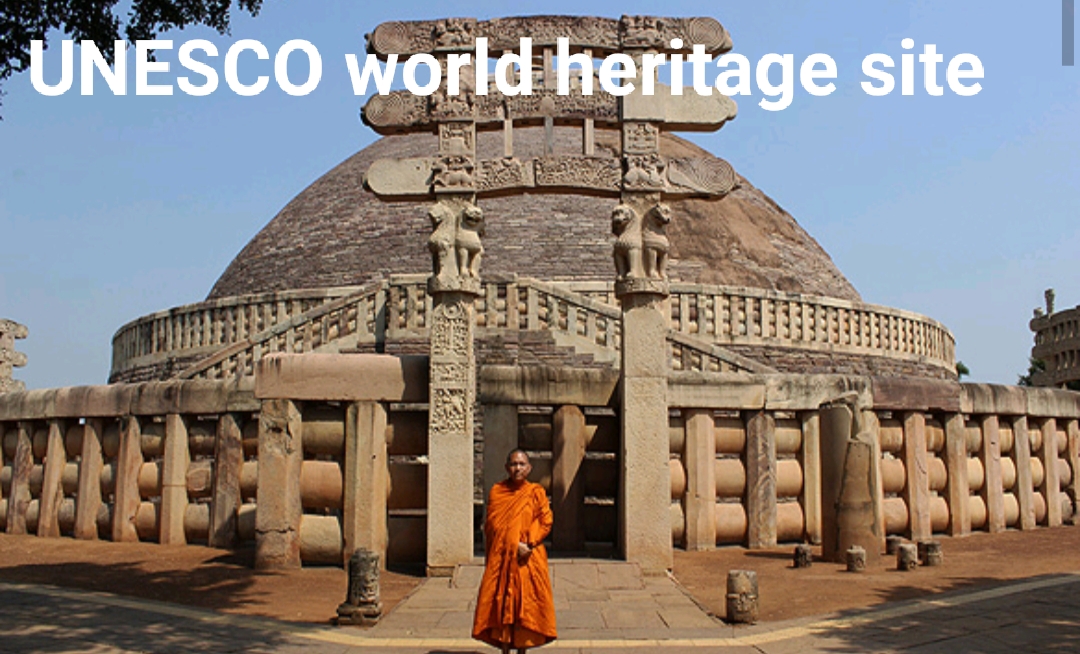
Mahatam Buddha (Siddharth Gautam) was born in Lumbini located in the Terai region of present day Nepal. He was born around 563 BC. Mahatma Buddha attained enlightenment under the Bodhgaya Peepal tree located in Gaya district in the state of bihar.The 5 Historical stupa of India which people from all over the world come to see.Top 5 favourite places to visit in Bihar
Mahatam Buddha died in kashinagar located in state of Uttar Pradesh which is called Mahaparinirvan in Buddhism.Which is an important pilgrimage site for followers of Buddhism.
Top 5 Historical stupa (India)
India Top 5 Largest stupa which is important pilgrimage site for followers of Buddhism. Sanchi stupa is UNESCO World Heritage site of India. That,why every year million of tourists come here to visit. Google.com
kesariya stupa(Bihar)
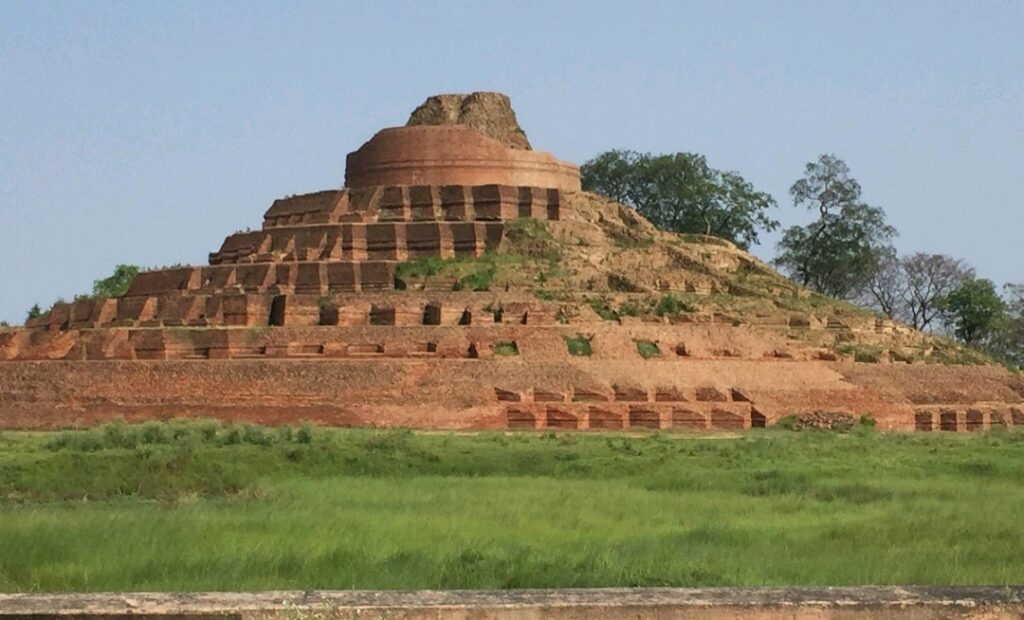
The largest stupa in India is the kesariya stupa in Bihar which is about 104 feet high. The over two millennia old monument is a significant testament to Buddhist history and legacy, believed to mark .where Buddha gave his alms bowl before at training Nirvana. The site offers a visitor centre rest areas and food stalls.
Historical significance
It is believed to commemorate a visit by lord Buddha and is a testament to Buddhist history and culture. A magnificent and ancient Buddhist stupa recognised as the excavated stupa in the world.
Other main places to visit Bihar
- Bodhgaya
- Nalanda University
- Patna
- Vaishali
- Sasaram
- Valmiki National park
Dhamek Stupa Sarnath(uttar pradesh)
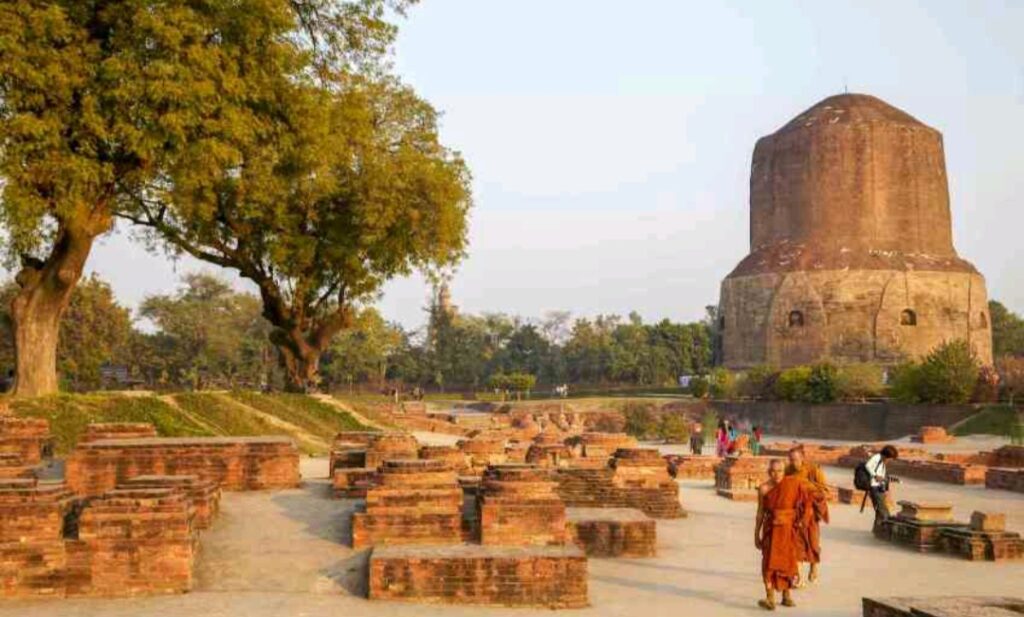
The Dhamek Stupa is a cylindrical Buddhist stupa in Sarnath India standing 43.6 meters tall and marking the spot where Buddha delivered his first sermon.Built in 500CE it replaced an earlier structure by Emperor Ashoka,and features delicate Guptaera floral floral carvings. It is a significant pilgrimage site for Buddhist and a popular tourist attractions managed by ASI
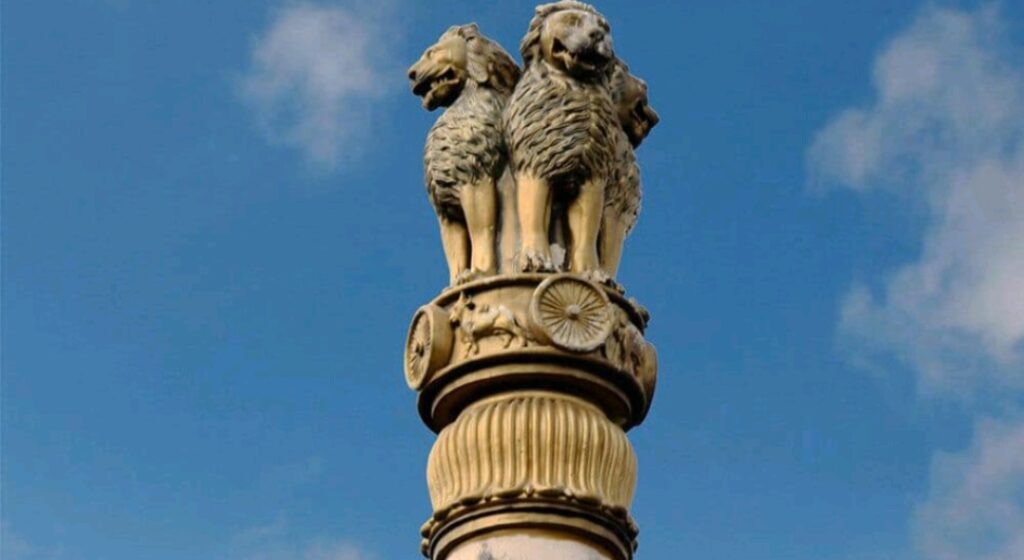
It is one of the most famous pillars of Ashoka and is topped by four lions the national emblem of India. The pillar are located in Sarnath Varanasi Uttar Pradesh where lord Buddha his first sermon below it are inscribed the words Satyamev Jayate which means only truth triumphs.
Historical significance –
It is considered of the most important Buddhist sites globally and sacred place for pilgrims .
Other main places to visit Uttar Pradesh
- Ayodhya
- Agra
- Jhansi
- Vrindavan
- Mathura
- Kashi
- Fatehpur Sikri
- Varanasi
Sanchi Stupa (Madhya Pradesh)
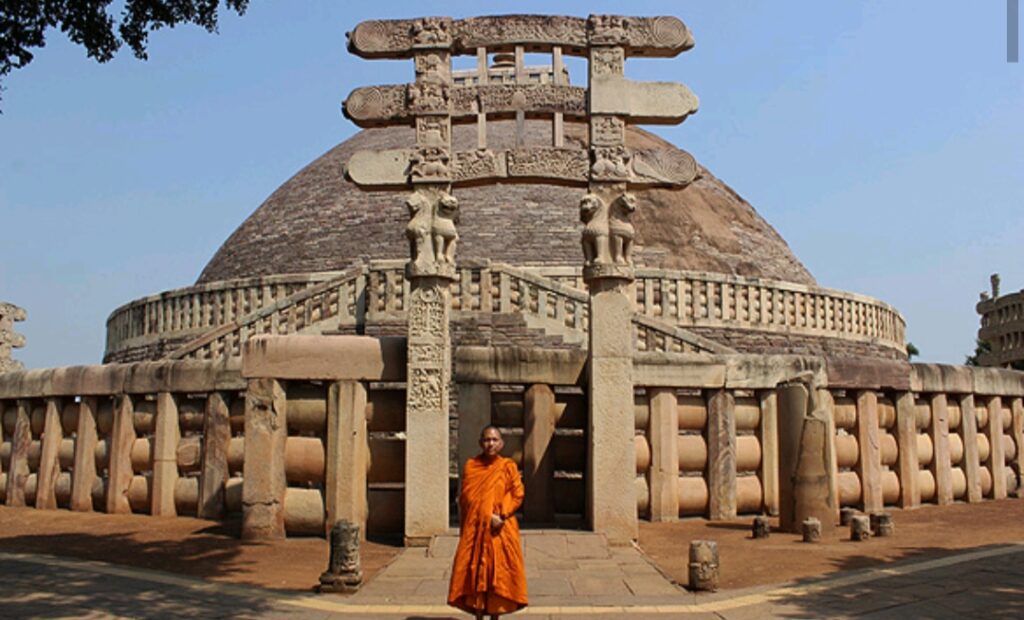
The Sanchi stupa is monumental Buddhist complex in Madhya Pradesh India commissioned by Emperor Ashoka in the 3rd century BCE and now a UNESCO World Heritage site. It is renowned for the great stupa. which houses the relics of the Budda and is a masterpiece of ancient Buddhist art and architecture featuring elaborately carved gateways and depicting stories from the jataka tales. Historical significance – commissioned by Emperor Ashoka in the 3rd century BCE it was the first monument built at the site. It is recognised by the UNESCO world heritage centre as one of the oldest and most significant.
Other main places to visit Madhya Pradesh
- Ujjain
- Orchha
- Khajuraho
- Gwalior
- Mandu
Amravati Stupa (Andhra Pradesh)
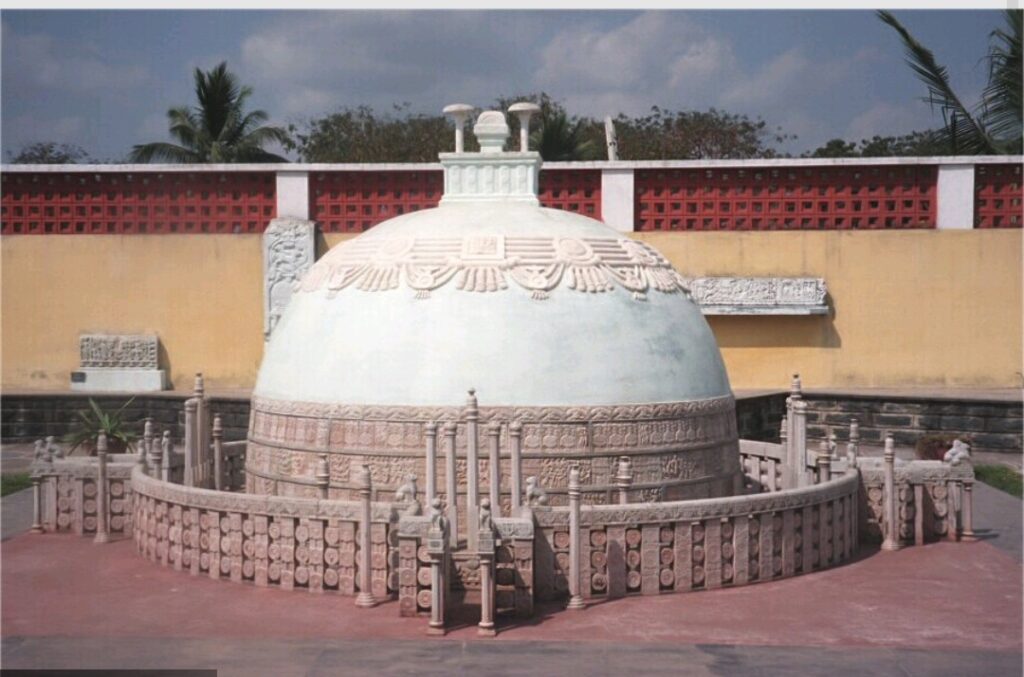
The amaravati is a major ruined Buddhist monuments in Amaravati Andhra Pradesh India built in stages from 3rd century BCE to around 250 .It is a significant site for its connection to the satavahana dynasty and the amaravati school of art a key style of ancient India art, featuring early and later phases of construction and Sculptures decoration.
Historical significance- construction began around the 3rd century BCE under the Satavahana rulers and contained over several centuries. It serves as a testament to the region deep Buddhist heritage and is an important pilgrimage site for Buddhist.
Other Main places to visit Andhra Pradesh
- Araku valley
- Visakhapatnam
- Tirupati Balaji Mandir
- Srisailam
- Vijayawada
- Gandikota
- Ananthagiri Hills
Bharhut stupa (Madhya Pradesh)
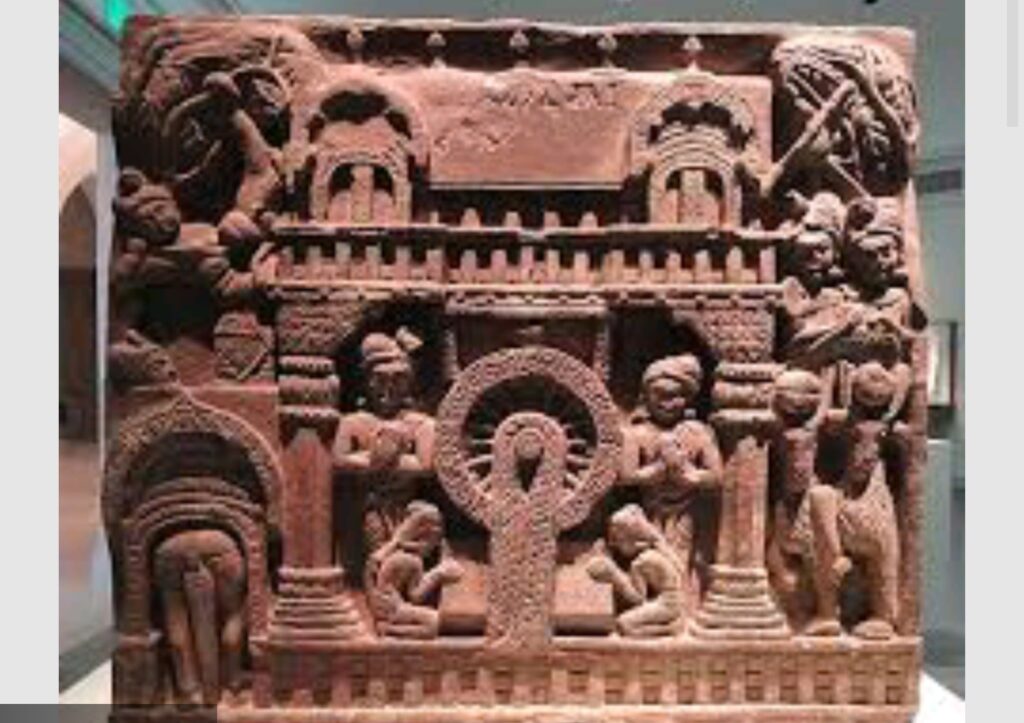
Thr Bharhut stupa located in satna Madhya Pradesh is a significant early Buddhist monument known for its narrative relics depicting jataka tales and symbolic representation of Buddha.
Historical significance – The Bharhut stupa is a crucial source for understanding the development of Buddhist art the iconography of early Buddhism.
Discovery- Major General Alexander Cunningham first discovered the remains of the Bharhut site in 1873.